Since I've recently started my competition build up, training has taken a huge priority in my life. The routines I'm performing in training are with many mistakes but currently I am in the place that the execution matters less. It's about getting the numbers in and increasing my endurance capabilities on Pommel.
Since I haven't been competing for the last year, I've noticed now more than ever some habits and strategies I continue to use around my routine work. Some of these strategies I've used for years now without even thinking, but my attention is brought to it more now, because I'm realising the value in it.
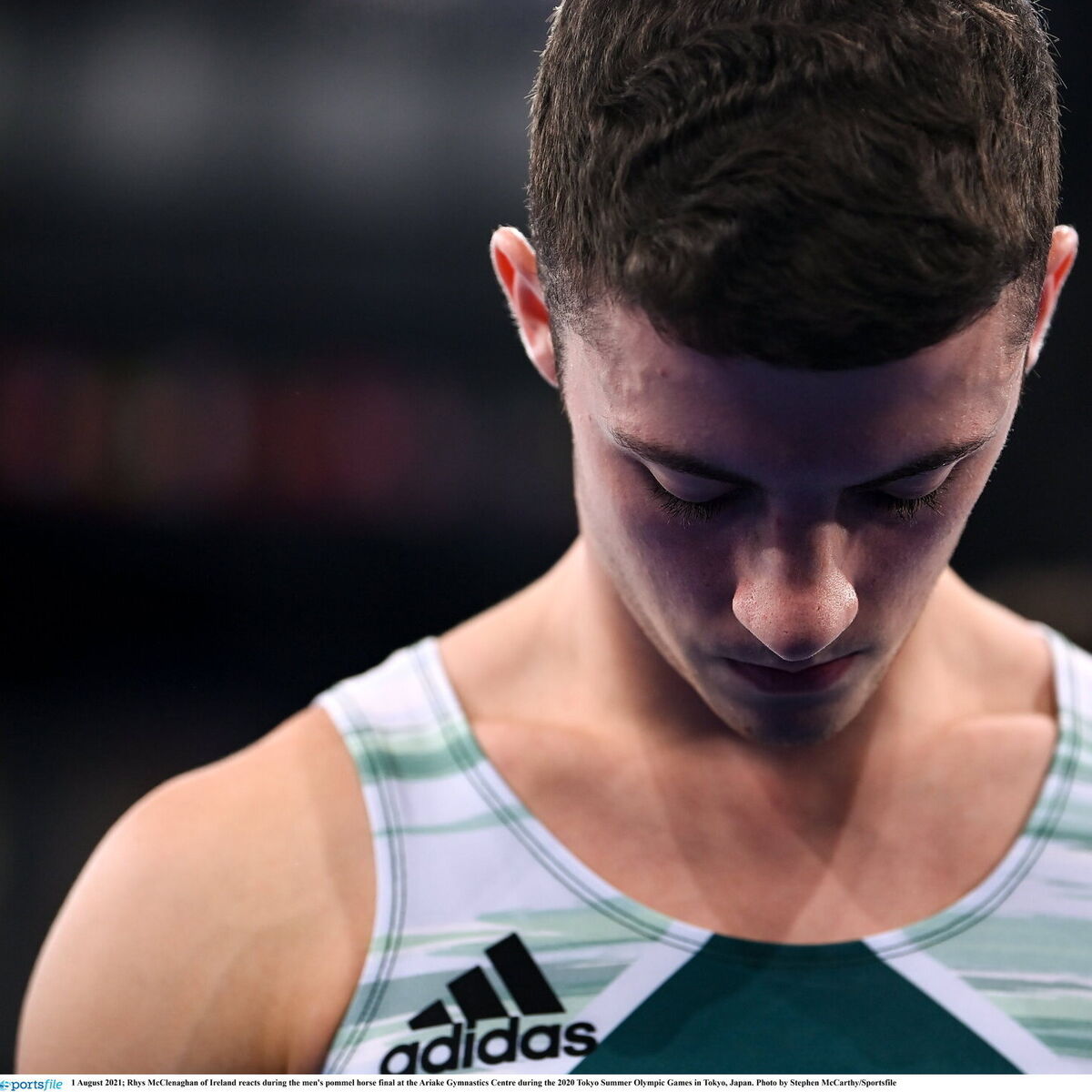
I stand on my feet around 2 minutes before I'm set to do a routine, turn my back to the Pommel, close my eyes and visualise each skills from an entire successful routine. This is the protocol for competition day. It works, but why does it work so effectively?
Focus- There are many distractions in training and competition. People talking, others performing and of course any random topic or problem in your life that floats into your head right before you perform. A way that drowns all of that noise out is by trying to visualise a successful routine. Trickier than you may think. The amount of times I have visualised a routine and fell multiple times is too many to count. What this shows us is that if your not sufficiently focused on your visualisation exercise then your mind plays tricks on you, it gets bored. The key to performing a successful routine in your mind is to take one skill at a time, focus on the cues that will keep your focus on the right technique and show confidence when visualising. There beauty of this is that was prevents a fall in your mind, often prevents a fall while physically doing your routine. Treat both with the same respect.
More Reps- I mentioned the use of cues. This isn't just to remind yourself in that moment, it's to reinforce these very techniques and cues that will be used on competition day. Extra reps don't only need to be made with your body. In a skill based sport like Gymnastics, the smallest prompt or cue missed during your routine, may be the difference in a large error and a skill being performed beautifully. Why not train this as much as possible?
Confidence- On competition day of course the nerves are present. Locked up in a hotel room, a prisoner to preserving my energy. There's not much I can do to calm my mind, except for take a shower (Sometimes 4/5 times, I don't know why, it just calms me) and also visualise my routine successfully. Visualising a successful routine reinforces my belief that I can certainly perform my routine in competition successfully. This isn't just wishful thinking, this is me using the same mental cues as I will in the competition, and I know that if I remember to use those cues when in front of the judges, I will go through the routine successfully.
Visualise success in your life. It might work.
Rhys McC